In today's hyper-competitive business landscape, solopreneurs face the unique challenge of wearing multiple hats while trying to maintain meaningful customer relationships. As we approach 2026, the right CRM (Customer Relationship Management) system has transitioned from a luxury to an absolute necessity for solo entrepreneurs looking to scale their operations without expanding their teams.
Choosing the best CRM for solopreneurs 2026 can be the difference between thriving and merely surviving in an increasingly crowded market. A robust CRM system helps you organize customer data, automate repetitive tasks, streamline sales processes, and ultimately grow your revenue while maintaining the personal touch that sets solopreneurs apart. In this comprehensive guide, we'll explore the top CRM systems poised to dominate the market in 2026, helping you make an informed decision that aligns with your business goals, budget, and operational style.
Why Solopreneurs Need a CRM in 2026
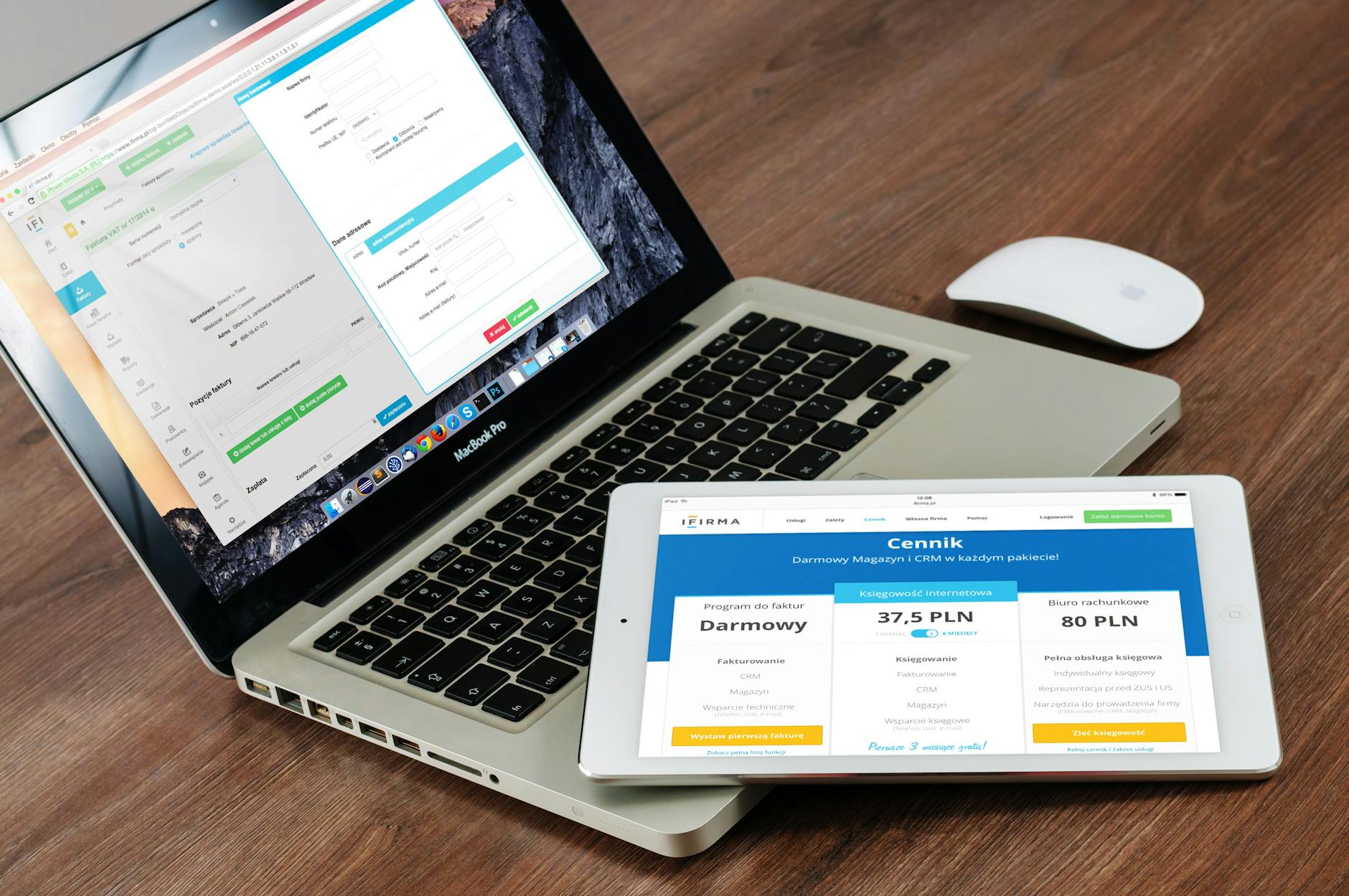
The business world is evolving at breakneck speed, and solopreneurs need every advantage they can get. By 2026, the CRM market is expected to reach over $100 billion, with specialized solutions emerging specifically for small businesses and solo entrepreneurs. The right CRM system helps solopreneurs in several key ways:
- Centralized Customer Data: Having all customer interactions, contact information, and history in one place eliminates the need to switch between multiple tools and spreadsheets.
- Sales Pipeline Management: Visualize your sales process, track leads, and identify bottlenecks that might be hindering your growth.
- Marketing Automation: Automate email campaigns, follow-ups, and lead nurturing to save time while maintaining consistent communication.
- Analytics and Reporting: Gain insights into your business performance with customizable reports and dashboards.
- Integration Capabilities: Connect with other business tools you use, from email marketing platforms to accounting software.
When evaluating the best CRM for solopreneurs 2026, look for systems that offer these core features while being intuitive enough to use without extensive training or technical expertise.
How We Evaluated These CRM Systems
To determine the best CRM for solopreneurs 2026, we evaluated each platform based on several key criteria:
- Usability: The interface should be intuitive and easy to navigate, especially for solopreneurs who may not have dedicated IT support.
- Value for Money: Considering the unique budget constraints of solopreneurs, we prioritized systems with flexible pricing models that offer good ROI.
- Core Features: Each CRM was assessed on essential capabilities like contact management, sales pipeline tracking, and basic automation.
- Scalability: The ability to grow with your business is crucial, as solopreneurs often transition to small teams over time.
- Integration Options: Compatibility with other tools solopreneurs commonly use, such as email marketing platforms, calendars, and project management software.
- Customer Support: Access to responsive, helpful support can make a significant difference when troubleshooting issues.
Our evaluation also considered emerging trends in CRM technology for 2026, including AI-powered insights, enhanced automation capabilities, and improved mobile functionality that would benefit solopreneurs specifically.
The 7 Best CRM Systems for Solopreneurs in 2026
After thorough evaluation, here are the top CRM systems that stand out as the best CRM for solopreneurs 2026:
1. HubSpot CRM

HubSpot has long been a leader in the CRM space, and their offering for solopreneurs continues to evolve. In 2026, HubSpot remains a top choice due to its comprehensive free tier and seamless integration with marketing tools.
Key Features:
- Unlimited contacts in the free version
- Basic email templates and sequences
- Sales pipeline tracking with Kanban view
- Customizable dashboard and reporting
- Meeting scheduling integration
- AI-powered content suggestions
Pricing: HubSpot offers a robust free CRM with essential features. Paid plans start at $45/month for the Starter Marketing Hub and $50/month for the Sales Hub Professional, with discounts available for annual billing.
Pros:
- Excellent free tier for solopreneurs just getting started
- Intuitive interface with minimal learning curve
- Seamless integration with HubSpot's marketing tools
- Strong mobile app functionality
- Regular updates and feature additions
Cons:
- Advanced features can become expensive as you scale
- Some customization options are limited in lower-tier plans
- Can be overwhelming with the sheer number of features
Best for: Solopreneurs focused on inbound marketing, content creators, and those who want a comprehensive free solution that can scale with their business.
2. Zoho CRM
Zoho CRM has consistently been recognized as one of the best CRM for solopreneurs 2026 due to its affordability and extensive feature set. In 2026, Zoho continues to impress with its AI-powered sales assistant and automation capabilities.
Key Features:
- Salesforce automation with AI-powered insights
- Contact and account management
- Sales process customization
- Email integration and tracking
- Social media integration
- Workflow automation
Pricing: Zoho CRM offers a free plan for up to 3 users with basic features. The Standard plan starts at $14/user/month, while the Professional plan begins at $23/user/month, with annual billing discounts available.
Pros:
- Extensive customization options
- Great value for money
- Strong automation capabilities
- Wide range of integrations through Zoho ecosystem
- Excellent mobile app
Cons:
- Interface can be less intuitive than competitors
- Some advanced features require higher-tier plans
- Can be overwhelming with the number of options
Best for: Tech-savvy solopreneurs who need advanced features and customization options without breaking the bank.
3. Salesforce
While Salesforce has traditionally been associated with enterprise-level businesses, their small business offerings have evolved to make it one of the best CRM for solopreneurs 2026, particularly for those with ambitious growth plans.
Key Features:
- Customer 360-degree view
- AI-powered Einstein Analytics
- Advanced automation with Flow Builder
- Customizable dashboard and reporting
- AppExchange for extensive third-party integrations
- Sales Cloud and Service Cloud options
Pricing: Salesforce offers an Essentials plan starting at $25/user/month. The Professional plan begins at $75/user/month, with higher-tier plans available for more advanced needs. Annual billing discounts are available.
Pros:
- Extremely powerful and customizable
- Excellent scalability as your business grows
- Strong analytics and reporting capabilities
- Huge ecosystem of third-party apps
- Enterprise-grade security and reliability
Cons:
- Can be complex to set up and use effectively
- Higher price point compared to competitors
- May be more than what most solopreneurs need initially
- Steeper learning curve
Best for: Solopreneurs with complex sales processes, those planning rapid expansion, or those in industries with strict compliance requirements.
4. Freshsales

Freshsales, part of the Freshworks suite, has emerged as a strong contender among the best CRM for solopreneurs 2026, particularly for those in sales-focused businesses. Its intuitive interface and AI-powered insights make it a standout option.
Key Features:
- Visual sales pipeline management
- AI-powered lead scoring and insights
- Contact management with enriched data
- Email tracking and sequences
- Phone integration with call recording
- Customizable reports and dashboards
Pricing: Freshsales offers a free plan for up to 3 users. The Growth plan starts at $15/user/month, while the Pro plan begins at $49/user/month, with annual billing discounts available.
Pros:
- Intuitive and user-friendly interface
- Strong AI capabilities for sales insights
- Excellent value in mid-tier plans
- Good mobile app functionality
- Seamless integration with other Freshworks products
Cons:
- Some advanced features require higher-tier plans
- Limited customization compared to enterprise solutions
- Email integration could be more robust
Best for: Sales-focused solopreneurs, small business owners who prioritize customer relationship management, and those who appreciate AI-powered insights.
5. Pipedrive
Pipedrive has built its reputation around simplifying sales management, making it consistently ranked among the best CRM for solopreneurs 2026. Its visual sales pipeline and focus on activity management make it particularly appealing to solo entrepreneurs.
Key Features:
- Visual sales pipeline with drag-and-drop functionality
- Activity-based selling approach
- Email integration and tracking
- Custom fields and fields
- Sales reporting and forecasting
- Web forms for lead capture
Pricing: Pipedrive offers a free trial with no credit card required. The Essential plan starts at $14/user/month, the Advanced plan at $49/user/month, and the Professional plan at $84/user/month, with annual billing discounts available.
Pros:
- Excellent visual interface for sales pipeline management
- Focus on activities helps solopreneurs stay organized
- Good value for money in mid-tier plans
- Simple and intuitive to use
- Strong mobile app
Cons:
- Less robust marketing automation features
- Reporting capabilities are somewhat limited
- Email integration could be more advanced
- Customization options are more limited than some competitors
Best for: Solopreneurs whose primary focus is sales pipeline management, particularly those in B2B or consultative sales environments.
6. Insightly
Insightly has positioned itself as one of the best CRM for solopreneurs 2026 with its project management capabilities and robust integration options. It's particularly well-suited for solopreneurs who wear multiple hats and need to manage both customer relationships and projects.
Key Features:
- Contact and opportunity management
- Project management functionality
- Email integration and tracking
- Customizable dashboards and reports
- Workflow automation
- Calendar and scheduling integration
Pricing: Insightly offers a free plan for up to 2 users. The Plus plan starts at $29/user/month, while the Professional plan begins at $49/user/month, with annual billing discounts available.
Pros:
- Unique combination of CRM and project management
- Good integration capabilities
- Reasonably priced for the features offered
- Strong reporting and analytics
- Good for managing complex customer relationships
Cons:
- Interface can be somewhat dated compared to competitors
- Mobile app could be more robust
- Some advanced features require higher-tier plans
- Email marketing capabilities are limited
Best for: Solopreneurs who need to manage both customer relationships and projects, particularly consultants, freelancers, and service providers.
7. Toremeil CRM

Toremeil CRM has emerged as a standout among the best CRM for solopreneurs 2026, particularly for those who prioritize email marketing and lead generation. Its powerful email verification and lead extraction capabilities set it apart from competitors.
Key Features:
- Advanced email verification to ensure deliverability
- Lead extraction capabilities for unlimited contacts
- Contact management with detailed profiles
- Sales pipeline tracking with visual interface
- Email marketing automation with personalization
- AI-powered lead scoring and insights
Pricing: Toremeil CRM offers a free plan with basic features. The Pro plan starts at $29/month, while the Premium plan begins at $59/month, with annual billing discounts available. Each tier includes different levels of email verification and lead extraction capabilities.
Pros:
- Exceptional email verification capabilities that ensure high deliverability rates
- Unlimited lead extraction options for rapid business growth
- Intuitive interface specifically designed for solopreneurs
- Strong focus on email marketing effectiveness
- Regular updates based on user feedback
Cons:
- Relatively new compared to established competitors
- Some advanced features are still in development
- Integration options are growing but not as extensive as more mature platforms
Best for: Solopreneurs focused on email marketing, lead generation, and ensuring high email deliverability rates. Toremeil is particularly valuable for those who rely heavily on email communication and need to maintain clean, verified contact lists for effective marketing campaigns.
One of Toremeil's standout features is its email verification service, which helps solopreneurs maintain clean contact lists and improve deliverability rates. This is especially important as email providers continue to tighten their spam filters in 2026. By using Toremeil's verification tools, solopreneurs can ensure their messages reach the inbox rather than getting flagged as spam.
Additionally, Toremeil's lead extraction capabilities allow solopreneurs to build targeted contact lists efficiently, saving valuable time and resources that can be redirected toward other business activities. This feature is particularly valuable for those in B2B industries who need to identify and reach out to specific decision-makers within organizations.
Comparing Pricing Models
When selecting the best CRM for solopreneurs 2026, pricing is a critical consideration. Solopreneurs typically operate with limited budgets, so finding a solution that offers good value without sacrificing essential features is key.
Free Options: Several CRMs offer robust free plans that are suitable for solopreneurs just getting started. HubSpot CRM, Zoho CRM, and Freshsales all provide free tiers with essential features, making them excellent starting points.
Freemium Models: Many CRMs operate on a freemium model, offering basic features for free while charging for more advanced functionality. This approach allows solopreneurs to start with what they need and upgrade as their business grows and their requirements become more complex.
Paid Plans: When solopreneurs outgrow the free tiers, paid plans typically range from $15 to $100 per month, depending on the features and level of support required. It's important to evaluate the ROI of each paid plan, considering how the features will directly contribute to business growth and efficiency.
ROI Considerations: When evaluating the cost of a CRM system, solopreneurs should consider:
- Time saved through automation and streamlined processes
- Increased sales conversion rates through better lead management
- Improved customer retention through more personalized service
- Reduced costs associated with manual data management
For solopreneurs who rely heavily on email marketing, the ROI of a CRM with strong email verification capabilities like Toremeil can be particularly significant, as improved deliverability rates directly impact campaign effectiveness and business revenue.
Implementation Tips for Solopreneurs
Selecting the best CRM for solopreneurs 2026 is just the first step. Effective implementation is crucial to realizing the full benefits of your chosen system. Here are some tips to ensure a smooth transition:
Starting Small: Begin by implementing core features that address your most pressing needs. For example, if lead management is your primary concern, focus on setting up your sales pipeline before diving into complex automation workflows.
Data Migration Strategies: When transitioning from spreadsheets or other systems to a new CRM, take a methodical approach:
- Clean your existing data before migration
- Migrate in phases, starting with your most valuable contacts
- Establish clear data entry standards from the beginning
- Regularly audit and clean your CRM data to maintain accuracy
Training Resources: Most CRMs offer extensive training resources, including tutorials, webinars, and documentation. Take advantage of these resources to maximize your understanding of the platform. Many also offer community forums where you can connect with other users and share best practices.
Scaling Considerations: Even as a solopreneur, it's important to consider how your CRM will scale as your business grows. Look for systems that offer clear upgrade paths and can accommodate increased data volume, more complex workflows, and potential team additions.
Future Trends in CRM Technology for Solopreneurs
As we look toward 2026 and beyond, several emerging trends are shaping the future of CRM technology for solopreneurs:
AI Integration: Artificial intelligence is becoming increasingly sophisticated in CRM systems, offering predictive analytics, automated lead scoring, and personalized customer insights. Solopreneurs can leverage these capabilities to provide a level of personalization and efficiency previously only accessible to larger organizations.
Automation Advancements: The next generation of CRM automation will be more context-aware and intelligent, reducing the need for manual intervention while maintaining the personal touch that solopreneurs excel at. This includes more sophisticated email automation, follow-up sequences, and customer journey mapping.
Mobile Optimization: With more solopreneurs working remotely or while traveling, mobile-first CRM design is becoming increasingly important. Future CRM systems will offer even more robust mobile functionality, allowing solopreneurs to manage their businesses from anywhere.
Personalization Capabilities: As customer expectations continue to rise, CRM systems are evolving to offer more granular personalization options. This includes customer segmentation based on behavior, personalized communication templates, and tailored recommendations based on purchase history and engagement patterns.
For solopreneurs who leverage email marketing as a primary growth channel, CRM systems with advanced email verification and personalization capabilities, like Toremeil, will be particularly valuable in ensuring their messages reach the right audience with the right content at the right time.
Conclusion
Selecting the best CRM for solopreneurs 2026 is a critical decision that can significantly impact your business growth and efficiency. The seven CRM systems we've explored each offer unique advantages depending on your specific needs, budget, and operational style.
HubSpot CRM remains an excellent choice for those who want a comprehensive free solution that can scale with their business, while Zoho CRM offers advanced features at an affordable price point. Salesforce provides enterprise-level capabilities for solopreneurs with ambitious growth plans, and Freshsales stands out with its AI-powered insights for sales-focused businesses.
Pipedrive's visual sales pipeline makes it ideal for solopreneurs whose primary focus is sales management, while Insightly offers a unique combination of CRM and project management capabilities. Toremeil CRM, with its exceptional email verification and lead extraction features, is particularly valuable for solopreneurs who prioritize email marketing effectiveness.
As you evaluate these options, consider not only your current needs but also how your business might evolve in the coming years. The right CRM should grow with you, offering the flexibility to adapt to changing requirements while maintaining core functionality that drives business success.
Remember that the best CRM for solopreneurs 2026 is ultimately the one that aligns most closely with your unique business goals, operational style, and budget constraints. Take advantage of free trials to test different systems, and don't hesitate to reach out to customer support teams with questions about specific features that are important to you.
In an increasingly competitive business landscape, the right CRM system can provide the edge you need to stand out, nurture customer relationships, and drive sustainable growth as a solopreneur in 2026 and beyond.